Dumpling SVG: A Designer’s Take on Kawaii Embroidery
As an embroidery designer who spends more time staring at stitch simulations than I care to admit, I have learned to be skeptical of cute graphics. The gap between a clean vector line on a screen and a tangible finished product is often where dreams go to die. However, when I first loaded the Dumpling SVG into my workspace, I was struck by its deceptive simplicity. This isn’t just another clip-art icon; it is a deliberate piece of design that balances minimalism with personality. For those of us running a craft business or selling on Etsy, finding assets that translate well from digital file to thread is half the battle. Let’s break down how this specific Icons and Graphics asset holds up under the needle.
The First Impression: Mood and Visual Personality
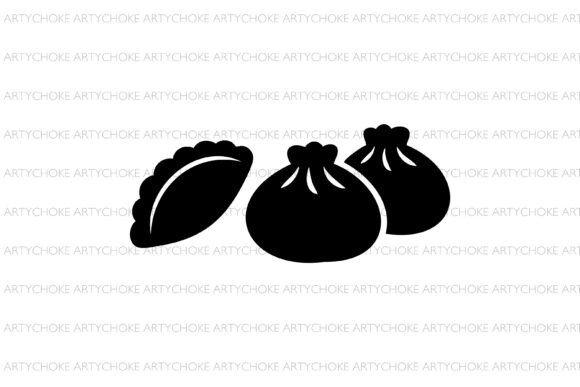
The immediate vibe of the Dumpling SVG is approachable warmth. It captures that specific "kawaii" aesthetic without tipping into childishness, which is a delicate balance to strike. The lines are bold and confident, suggesting a design that wants to be seen. In the context of embroidery, bold lines usually translate to better structural integrity in stitching. When I visualize this as a machine embroidery design, I see potential for strong satin stitches outlining the dumpling shape, giving it a raised, tactile quality that customers love to touch. It feels like a design that belongs on everyday items rather than formal wear, making it ideal for casual, comfort-focused products.
Real-World Application: From Screen to Sweatshirt
To truly evaluate a design, you have to imagine it in situ. I recently worked on a custom order for a local café wanting branded merchandise. They needed something that screamed "comfort food" without being overly literal. The Dumpling SVG fit this brief perfectly. Imagine this stitched onto a heavy-weight cotton tote bag. The minimalist nature of the illustration means it doesn’t overwhelm the fabric. Instead, it acts as a charming accent.
For a sweatshirt embroidery project, this design shines because of its scalability. Unlike complex landscapes that lose detail when shrunk, this clean Asian food icon retains its clarity even at smaller sizes. I can easily picture this on the left chest of a crewneck, serving as a subtle nod to culinary passion. For baby embroidery, the soft, rounded edges of the dumpling shape are inherently safe and appealing to parents looking for gentle, non-aggressive imagery. It transforms a standard onesie into a personalized gift that feels thoughtful and unique.
Versatility Across Product Lines
The strength of this digital embroidery file lies in its adaptability. Here is how I would deploy it across different product categories:
- Embroidered Patches: The bold outlines make it perfect for cut-and-sew patches. You can use a dense fill stitch for the body and a thick satin border for durability.
- Kitchen Textiles: As a tote bag design or on aprons, it adds a playful touch to functional items. It appeals to home cooks and foodies alike.
- Holiday Embroidery: While not explicitly seasonal, the warm tones often associated with dumplings make it a great candidate for autumn and winter gift collections.
- Small Shop Product: For Etsy sellers, this fits neatly into the "foodie" niche, which has a dedicated and engaged audience.
Technical Considerations for the Stitcher
While the visual appeal is high, we must discuss the technical execution. The description notes this is a "bold easy-to-cut" graphic, which implies clean vectors. However, converting this to an embroidery file requires careful attention to stitch density. Because the design is minimalist, there is little room for error in digitizing. If the satin stitches are too wide, they may snag; if too narrow, they might not cover the fabric adequately.
When working with textured fabrics, such as terry cloth towels or fuzzy fleece, the fine details could get lost. I recommend using a cutaway stabilizer to ensure the design remains crisp and does not pucker. For dark fabrics, consider using a lighter thread color for the main body to create contrast, or perhaps treat the design as an applique design where a piece of felt or cotton is stitched down, reducing the total stitch count and bulk.
Navigating Fabric and Hoop Constraints
Not every surface is friendly to this design. On stretchy fabrics like jersey knits, you must be vigilant about hoop tension. The bold lines of the Dumpling SVG can distort if the fabric shifts during stitching. Always test on scrap fabric first. Additionally, while the design is simple, placing it on curved surfaces like caps requires precise positioning. The symmetry of the dumpling means any tilt will be immediately noticeable to the eye.
If you are planning to use this for commercial embroidery on items that will undergo frequent washing, such as tea towels or baby clothes, ensure your thread colors are colorfast. The visual appeal of the design relies on the contrast between the outline and the fill. If the threads bleed or fade, the "cute" factor diminishes rapidly.
Enhancing Brand Value and Customer Trust
Why does this specific graphic matter for your brand? Consistency is key. If your shop focuses on modern, minimalist aesthetics, the Dumpling SVG aligns perfectly. It signals to the buyer that you value clean design and quality execution. A well-stitched, simple design often perceived as higher quality than a messy, complex one. It builds customer trust because it looks professional.
Furthermore, using recognizable yet stylized Icons helps in brand recognition. If this dumpling becomes part of a series of food-themed items, it creates a cohesive collection. Buyers are more likely to purchase multiple items if they feel they are part of a curated set. This increases the average order value for your small shop product lineup.
Practical Designer Notes for Best Results
Before you list this as a handmade product or include it in a printable mockup, take these steps to ensure quality:
- Check Thread Color Contrast: Simulate the design in black and white first. If it loses definition, adjust your color palette.
- Review Stitch Density: Ensure the fill stitch isn't too dense for lightweight fabrics to prevent puckering.
- Confirm Hoop Size: Make sure the design fits comfortably within your standard hoop sizes without needing excessive re-hooping.
- Inspect Small Details: Zoom in on the vector. Are there any stray nodes or jagged edges that could cause machine errors?
- Verify Licensing: Always confirm whether the license allows for commercial embroidery sales. Just because it is a digital asset doesn't mean it is free to sell as finished goods.
In conclusion, the Dumpling SVG is a robust addition to any designer’s library of design assets. It bridges the gap between digital cut files and threaded art with grace. By respecting its minimalist nature and applying solid embroidery techniques, you can create custom apparel and accessories that stand out in a crowded market. It is a reminder that sometimes, the simplest shapes carry the most charm.