Reviewing the Happy Valentine’s Day SVG for Embroidery
As a designer who spends half my life staring at digitized files and the other half watching needles punch through fabric, I have learned that not every graphic translates well to thread. When I first opened the folder for the Happy Valentine’s Day SVG,Love PNG, my initial reaction was cautious optimism. The visual preview suggested a clean, romantic aesthetic, but screen graphics and embroidered realities are two very different worlds. I wanted to determine if this asset could hold up under the tension of a hoop and the texture of real fabric, or if it was merely another digital file destined for the printer rather than the sewing machine.
First Impressions and Visual Personality
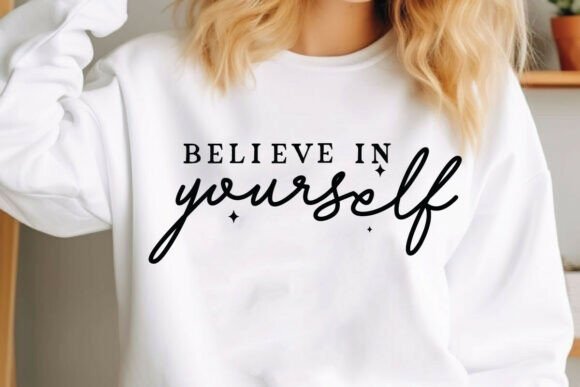
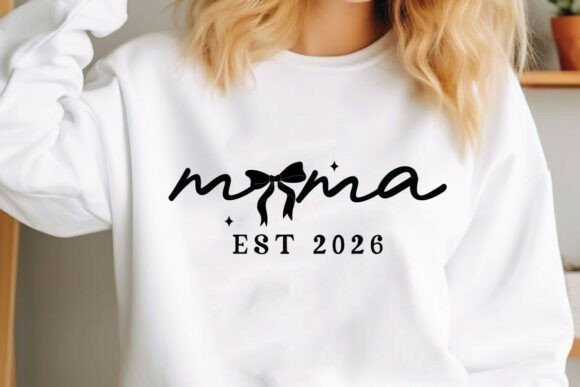
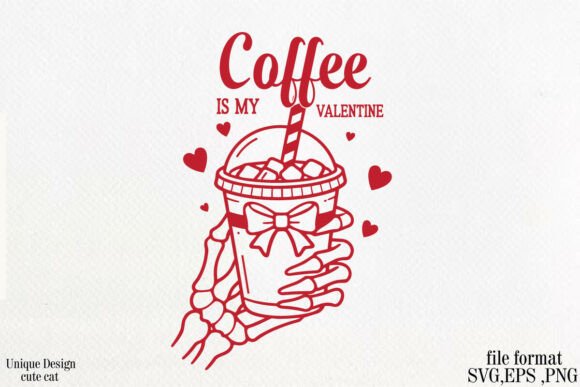
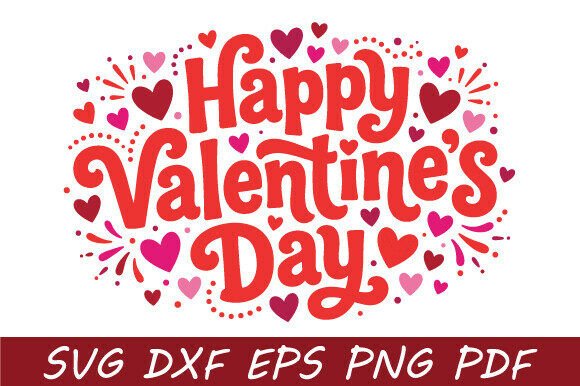
The design carries a soft, approachable mood. It avoids the overly complex shading that often plagues Valentine’s themed assets, opting instead for clear lines and recognizable shapes. For an embroidery project, this simplicity is a strength. Complex gradients do not translate well to thread without thousands of stitches, which can make a garment stiff and heavy. This design feels lightweight. The layout suggests it is intended for central placement, likely on the chest of a garment or the center of a tote bag. The visual personality is sweet but not childish, making it versatile enough for adult apparel as well as nursery decor.
When evaluating the Graphics provided, I looked specifically at the line weight. In embroidery, thin lines can disappear into the fabric pile or break during washing. The elements in this file appear to have sufficient thickness to support a satin stitch or a narrow fill stitch, which is crucial for durability. If you are planning to use this for T-Shirt Designs, the openness of the design is beneficial. It allows the fabric color to play a role in the final look, reducing stitch count and keeping the hand of the garment soft.
Real-World Application: The Custom Sweatshirt Test
To truly test the viability of the Happy Valentine’s Day SVG,Love PNG, I simulated its use on a mid-weight cotton blend sweatshirt. This is a common request for small shop owners and Etsy sellers during the February rush. The goal was to create a personalized gift that felt boutique-quality rather than mass-produced.
I imagined placing the design on the left chest area. In this context, the scale matters immensely. If the design is too large, it overwhelms the torso; too small, and the details get lost. Based on the visual proportions, this design scales well down to a four-inch width. At this size, the lettering remains legible, and the heart motifs retain their shape without becoming a blob of thread. For a craft business, this scalability is vital. It means you can offer the same design on a baby onesie, a standard tee, and a large pillow cover without needing to completely redraw the artwork for each item.
The reaction from a hypothetical customer base would likely be positive due to the clarity of the message. In commercial embroidery, readability is king. A confused design leads to a confused buyer. This asset communicates its theme instantly, which helps with buyer engagement and quick decision-making on platforms like Etsy.
Fabric Considerations and Stitching Challenges
While the design looks promising, there are areas where caution is required. Embroidery is heavily dependent on fabric texture and stability. If you are working with stretchy fabrics, such as jersey knits for t-shirts, the design needs proper stabilization. Without a cut-away stabilizer, the pull of the stitches could distort the letters, turning a crisp "Love" into a wavy mess.
For textured fabrics like towels or fleece, the design performs differently. The loops of a towel can hide fine details. If this design includes tiny running stitch accents, they might vanish into the pile. In such cases, increasing the stitch density or using a thicker thread weight might be necessary to ensure visibility. However, one must be careful not to increase density too much, as this can cause puckering, especially on thinner materials like apron linens or baby clothes.
Dark fabrics present another challenge. If the design relies on subtle contrast, it may get lost on black or navy blue garments. I recommend testing the design in a black-and-white mockup first. If the elements blend together in grayscale, they will lack definition on dark fabric. You may need to adjust your thread colors to ensure high contrast, perhaps using a bright white or metallic gold thread to make the design pop against a dark background.
Technical Notes for the Embroiderer
Before loading this into your machine, there are several practical steps to take. First, always check the file formats. The product description mentions SVG and PNG, which are primarily cutting and printing files. For machine embroidery, you need specific digitized files such as PES, DST, or JEF. If these are not included, you will need to use digitizing software to convert the vector paths into stitches. This is a critical distinction for hobbyists who might assume an SVG is ready to sew.
If the package does include digitized embroidery files, inspect the stitch types. Look for a mix of satin stitches for borders and fill stitches for larger areas. Avoid designs that use only running stitches for large shapes, as these offer poor coverage. Check the stitch density settings. A density that is too high will perforate the fabric, weakening it over time. A density that is too low will show the fabric underneath, looking unfinished.
Hooping is another factor. Ensure your hoop size accommodates the design with at least an inch of margin on all sides. For curved surfaces like caps, you will need a cap frame and possibly a redesign of the layout to account for the curvature. A flat design can look distorted when wrapped around a dome shape.
Commercial Viability and Brand Consistency
For the small business owner, the Happy Valentine’s Day SVG,Love PNG offers a solid foundation for holiday embroidery collections. It fits well within the niche of handmade products and personalized gifts. However, brand consistency is key. If your shop specializes in rustic, vintage styles, this clean, modern design might need adjustment, such as adding a distressed texture or choosing earth-toned threads. If your brand is modern and minimal, the design fits perfectly as is.
Using this design in printable mockups can help boost sales before you even stitch a single thread. High-quality previews allow customers to visualize the finished product on various items, from tote bags to nursery decor. This reduces hesitation and increases conversion rates. Just ensure that your mockups accurately represent the texture of embroidery, not just a flat print, to manage customer expectations.
Final Verdict
The Happy Valentine’s Day SVG,Love PNG is a versatile asset for those willing to do the technical groundwork. It is not a plug-and-play solution for every machine without verification, but its visual structure is sound for embroidery adaptation. It excels in clarity and emotional appeal, making it a strong candidate for custom apparel and holiday gifts. By paying attention to stabilizer choice, thread contrast, and fabric type, you can transform this digital graphic into a high-value finished product that customers will cherish. Always test on scrap fabric first, and never underestimate the power of a well-chosen thread color to bring a design to life.