Reviewing the Lowcountry Living Live Oak Sticker
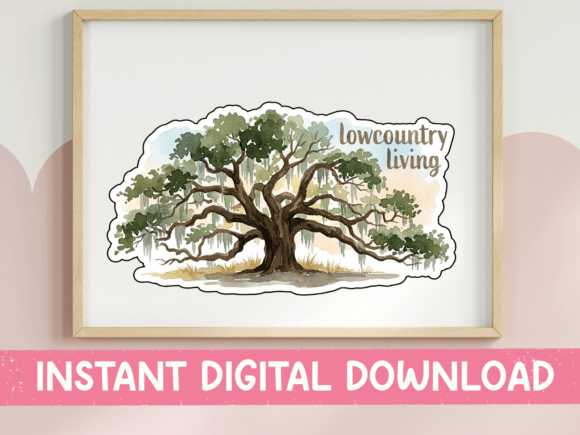
As a designer who has spent countless hours digitizing and stitching out various motifs, I have learned that not every pretty picture translates well into thread. When I first pulled up the Lowcountry Living Live Oak Sticker, my initial reaction was one of appreciation for its atmospheric quality. It is rare to find a graphic that captures the humid, slow-moving soul of the South Carolina coast without relying on cliché palm trees or generic beach slogans. This design, with its massive sprawling live oak and hints of Spanish moss, feels grounded and authentic. However, moving from a digital preview to a tangible embroidery project requires a critical eye. I needed to determine if this watercolor-inspired aesthetic could hold up under the needle, especially for clients looking for high-quality custom apparel or boutique home goods.
First Impressions and Visual Mood
The mood of this piece is serene and nostalgic. For locals and coastal lovers, the live oak is more than just a tree; it is a symbol of endurance and home. The layout features a dominant central trunk with branches that reach outward, creating a natural frame. From a T-Shirt Designs perspective, this horizontal sprawl is excellent for chest placements or back prints. As Graphics, the watercolor style suggests softness, which presents both an opportunity and a challenge for embroidery. Soft edges in digital art often require careful handling in stitch files to avoid looking jagged or overly dense. My primary concern was whether the subtle gradients of the watercolor would translate into distinct thread colors or if they would muddy together on fabric.
Real-World Application: The Tote Bag Test
To truly evaluate the Lowcountry Living Live Oak Sticker, I imagined a specific real-life scenario: a custom order for a local boutique selling eco-friendly goods. The client wanted a tote bag design that appealed to tourists and residents alike. I visualized stitching this oak onto a heavy canvas tote. The sturdy nature of canvas provides an ideal foundation for the likely fill stitch areas required to render the tree’s foliage and trunk. In this context, the design shines. The broad branches allow for directional stitching that can mimic the texture of bark and leaves, adding a tactile dimension that a printed sticker simply cannot achieve.
If I were producing this as a handmade product for an Etsy seller, I would position it as a premium item. The complexity of the oak suggests a higher value than simple monogrammed items. Customers buying a personalized gift often look for designs that tell a story. This oak tells a story of place. Whether used on a sweatshirt embroidery project for a chilly evening on the porch or as a decorative element on a pillow cover, the design anchors the product in a specific lifestyle. It is not just decoration; it is an identity marker for the buyer.
Technical Considerations for Stitchers
While the aesthetic is strong, the technical execution demands attention. Watercolor designs often rely on blending, but embroidery is built on discrete stitches. When reviewing this as a potential machine embroidery design, I looked closely at the transition points. A skilled digitizer will have used varying stitch density to create the illusion of depth. However, if the density is too high, the fabric may pucker, especially on lighter materials. If you are planning to use this on a thin cotton tee, a cut-away stabilizer is non-negotiable. For heavier fabrics like denim or canvas, a tear-away might suffice, but testing is crucial.
The sprawling nature of the branches means this design likely requires a medium to large hoop size. Attempting to shrink this down for a small pocket logo or a baby hat could result in lost detail. The intricate tips of the Spanish moss and the smaller twigs might merge into a solid blob if scaled down too far. Therefore, this design is best suited for projects where it can breathe. Think aprons, large embroidered patch backings, or the front of a hoodie. It is less suitable for baby embroidery on onesies unless you are only using a small, simplified section of the main trunk.
Fabric and Color Choices
Choosing the right fabric texture is vital for this design. On smooth, tightly woven fabrics, the stitches will lay flat and crisp, highlighting the details of the oak. On textured fabrics like linen or terry cloth, some of the finer details might get lost. I recommend avoiding highly stretchy fabrics unless you are an experienced handler of stabilizers, as the weight of the fill stitches could distort the garment over time. Regarding color, while the watercolor original may feature blues and greens, consider how these translate. A satins stitch outline in a dark green or brown can help define the edges against lighter backgrounds. On dark fabrics, you may need to adjust the thread palette to ensure the oak stands out, perhaps using lighter greens or even cream tones for the moss to create contrast.
Commercial Viability and Brand Consistency
For small shop product lines, consistency is key. The Lowcountry Living Live Oak Sticker offers a versatile asset that can be part of a broader collection. If you are a craft business owner specializing in Southern-themed goods, this design fits seamlessly alongside other regional motifs. It enhances brand recognition because it feels authentic rather than mass-produced. When creating printable mockup images for your online store, ensure you show the design on various products to demonstrate its versatility. A digital embroidery file that works well on multiple substrates increases its value to you as a creator.
However, before listing any finished product for sale, you must verify the licensing terms. Just because a design is available does not mean it is free for commercial embroidery use. Always check if the embroidery file comes with a commercial license or if it is for personal use only. This step is critical for maintaining professionalism and avoiding legal issues down the line. Trust is built on transparency, and ensuring you have the right to sell items made with this design protects your reputation.
Final Verdict and Practical Tips
In conclusion, the Lowcountry Living Live Oak Sticker is a compelling choice for designers who want to evoke the spirit of the coast. It performs best on larger surfaces where its sprawling branches can be fully appreciated. To get the best results, always stitch out a test sample on scrap fabric similar to your final product. Check the tension, inspect the back for excessive buildup, and ensure the running stitch outlines are secure. Compare the stitched result against light and dark backgrounds to see if your thread choices provide enough contrast.
This design is not just a pretty image; it is a tool for connection. When used correctly, it adds significant value to holiday embroidery gifts, wedding favors, or everyday wear. It bridges the gap between digital art and tactile craft, offering a way to wear and share the love for the lowcountry. For the serious maker, it represents a worthwhile addition to your library of design assets, provided you respect its technical requirements and scale it appropriately for the intended applique design or full-fill application. Take the time to understand its nuances, and it will serve your creative business well.