Sticker Diwali Illustration: A Designer’s Embroidery Review
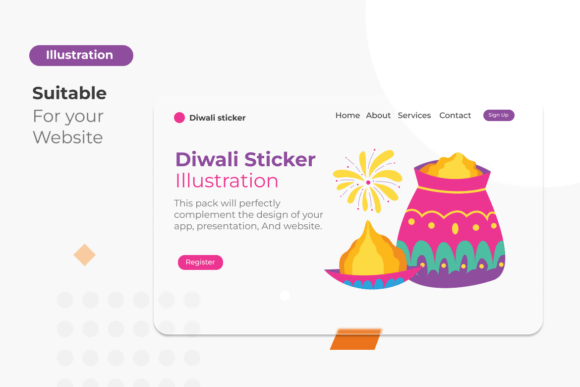
As a designer who spends more time staring at stitch simulations than actual fabric, I have learned that not every pretty graphic translates well into thread. When I first pulled up the Sticker Diwali Illustration set, my initial reaction was one of cautious optimism. The preview showed a festive collection of traditional symbols and decorative elements rendered in a clean, modern style. For an embroidery professional, "clean" is often code for "manageable," but it can also mean "lacking depth." I needed to know if these Illustrations held up under the needle or if they were merely flat Graphics destined for digital screens.
I decided to test this design set on a project that demands both cultural sensitivity and high visual impact: a custom embroidered tote bag for a boutique client launching a Diwali gift collection. The goal was to create a handmade product that felt authentic yet contemporary. Here is my breakdown of how the Sticker Diwali Illustration performs in real-world applications, from hoop selection to final stitch-out.
First Impressions: Mood and Layout
The immediate strength of the Sticker Diwali Illustration is its clarity. Diwali motifs—such as diyas, rangoli patterns, and marigolds—can easily become cluttered when simplified. However, this set maintains distinct shapes with enough negative space to allow stitches to breathe. The mood is joyful and celebratory without being overly ornate. For an embroidery project, this is crucial. Overly complex details often turn into muddy blobs of thread, especially on textured fabrics.
The layout of the individual stickers suggests they were designed with versatility in mind. They are self-contained, meaning you can use a single diya as a small accent on a cuff or combine multiple elements for a larger centerpiece. This modularity makes the set valuable for design assets intended for varied commercial uses. The visual personality strikes a balance between traditional reverence and modern minimalism, which appeals to a broad demographic of Etsy sellers and boutique owners looking to update their holiday offerings.
Real-World Application: The Tote Bag Test
For my test case, I selected a medium-weight canvas tote. Canvas is forgiving, but it requires careful attention to stitch density. I chose one of the larger composite illustrations from the set, featuring a central lamp surrounded by floral accents. Because the design is described as a "clean, modern illustration," I anticipated that it would rely heavily on fill stitch areas rather than intricate satin stitch borders. This proved to be accurate.
The result was impressive. The clean lines translated into crisp edges on the fabric. The thread colors I selected—deep marigold orange, rich gold, and a contrasting teal—popped against the natural canvas. The design did not pull the fabric excessively, suggesting that the underlying digitizing respected the material’s integrity. For custom apparel like sweatshirts or heavy cotton tees, this level of stability is essential. A sweatshirt embroidery project benefits greatly from designs that do not require excessive backing or hooping tension, and this set delivered that ease of use.
Versatility Across Products
Beyond totes, I evaluated how these elements would work on other common items. For baby embroidery, such as a onesie or bib, the smaller, simpler icons from the set are ideal. They avoid the bulk that can irritate sensitive skin. Conversely, for an embroidered patch, the bolder outlines provide the necessary definition to stand out from a distance. If you are creating holiday embroidery for home decor, such as pillow covers or tea towels, the festive theme fits naturally. However, on thinner fabrics like silk or lightweight linen, you must be cautious. The fill stitch areas may require a cut-away stabilizer to prevent puckering, as the density needed to cover the shape completely can distort delicate weaves.
Technical Considerations and Limitations
While the Sticker Diwali Illustration is robust, it is not without limitations. Designers must consider the hoop size relative to the element chosen. Some of the more detailed rangoli patterns might lose their intricacy if scaled down too far for a 4x4 hoop. Tiny details in Illustrations often disappear when converted to thread, so I recommend testing scaled-down versions on scrap fabric before committing to a final finished product.
Another critical factor is fabric texture. On highly textured materials like terry cloth or fleece, the clean lines of this design might get lost. In such cases, using an applique design technique—where fabric pieces are stitched down and then outlined—could enhance visibility. The current format appears to be standard embroidery, so if you are working with dark or busy fabrics, ensure your thread colors offer high contrast. A low-contrast combination will make the design look washed out and unprofessional.
Curved surfaces, such as caps or hats, present another challenge. The flat nature of sticker-style illustrations can distort when wrapped around a curve. If you are attempting commercial embroidery on headwear, isolate the simplest, most symmetrical elements from the set. Avoid complex, asymmetrical compositions that will look skewed when viewed from the front.
Commercial Value and Brand Consistency
For craft business owners, the aesthetic consistency of the Sticker Diwali Illustration set is a major selling point. Using a cohesive set of Graphics allows for branded collections. Imagine offering a line of Diwali gifts where the tote bag, apron, and kitchen towel all feature complementary elements from the same design family. This builds brand recognition and trust. Customers perceive coordinated sets as higher value than mismatched items.
Furthermore, the modern style appeals to younger demographics who might find traditional, hyper-realistic embroidery designs too old-fashioned. By using these design assets, small shop product lines can feel fresh and relevant. This is particularly important for digital embroidery file sellers who want to offer trendy, ready-to-stitch options to their customers. The "sticker" aesthetic is currently popular in stationery and digital art, bringing that trend into the tactile world of embroidery creates a unique cross-market appeal.
Practical Designer Notes
Before you load this design into your machine, keep these practical tips in mind:
- Test on Scrap Fabric: Always run a test stitch-out on the same type of fabric you intend to use for the final item. This reveals issues with stitch density and registration.
- Check Thread Contrast: Use a black-and-white mockup or physically lay threads on the fabric to ensure the design remains visible. Low contrast kills detail.
- Stabilizer Selection: For woven fabrics like cotton or linen, a tear-away stabilizer is usually sufficient. For knits or stretchy fabrics used in custom apparel, switch to a cut-away stabilizer to maintain shape after washing.
- Verify Licensing: The product description mentions it is a set of illustrations, but it does not explicitly state the license terms for commercial use. Before selling personalized gift items or small shop merchandise featuring this design, confirm with the creator that you have the right to sell finished physical goods. Do not assume commercial rights are included unless stated.
- Inspect Small Details: Zoom in on the digitized file. Look for unnecessary jump stitches or dense clusters that could cause thread breaks. Clean up any stray nodes if you have editing software.
Final Verdict
The Sticker Diwali Illustration set is a strong contender for designers looking to add festive, modern flair to their portfolio. It bridges the gap between traditional symbolism and contemporary design trends effectively. While it requires thoughtful application regarding fabric choice and hoop size, its versatility makes it suitable for a wide range of projects, from tote bag design to holiday embroidery accents. For Etsy sellers and handmade entrepreneurs, this set offers a reliable foundation for creating high-quality, culturally respectful, and visually appealing products. Just remember to respect the technical limits of your machine and materials, and always verify your commercial usage rights before listing your finished product for sale.