Reviewing Playful Puppy Sticker Clipart for Embroidery
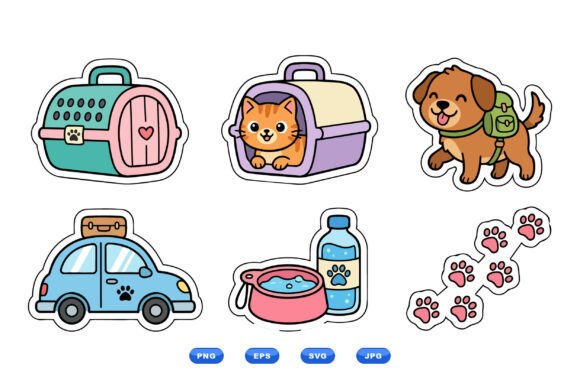
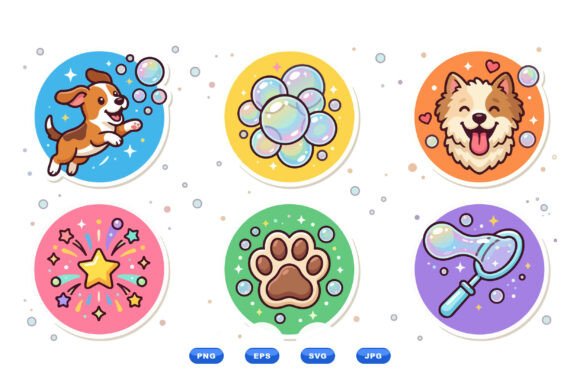
As a designer who spends half my life staring at digitized files and the other half pulling threads out of bobbin jams, I have learned to be skeptical of cute graphics. We all love a charming motif, but charm does not always translate well to needle and thread. When I first opened the Playful Puppy Sticker Clipart package, my initial reaction was one of cautious optimism. The visual language is undeniably cheerful—a flat design aesthetic featuring a joyful barking puppy, paw prints, soap bubbles, and a whimsical magic wand. It screams "pet branding" and "playful packaging," which are lucrative niches for many Etsy sellers and craft business owners. However, my job is not to judge how it looks on a screen, but how it behaves under the presser foot.
First Impressions and Visual Personality
The mood of this Illustrations collection is vibrant and energetic. For a machine embroidery design, this energy can be a double-edged sword. Flat designs often rely on bold shapes and minimal shading, which is actually a blessing for embroidery. Complex gradients are a nightmare to stitch, but solid, clean shapes like those found in this digital embroidery file set tend to stitch out cleanly if the digitizing is sound. The inclusion of elements like soap bubbles and a magic wand suggests a target audience of pet lovers, children, or boutique brands looking for a friendly, approachable vibe. This is not a serious corporate logo; it is a personalized gift waiting to happen.
Real-World Application: The Custom Tote Bag Test
To truly evaluate the Playful Puppy Sticker Clipart, I imagined a specific real-life scenario: a custom order for a local pet sitter who needed branded merchandise. She wanted a sturdy canvas tote bag design that would appeal to her clients who treat their dogs like children. I selected the puppy motif from the sheet. On screen, the lines looked crisp. But in execution, the devil is in the details.
I considered using this as an applique design. Given the flat nature of the graphics, cutting fabric shapes for the puppy’s body and the larger paw prints could save significant stitching time and reduce bulk. This is a crucial consideration for commercial embroidery where production speed matters. If stitched entirely with fill stitch and satin stitch, the density might become too high for a lightweight canvas, causing puckering. By treating the graphic as a guide for applique, we maintain the vibrancy of the Graphics while ensuring the finished product remains soft and durable.
Fabric Choices and Stitching Clarity
One of the most critical aspects of using any embroidery file is understanding how it interacts with fabric texture. The playful elements in this set, particularly the smaller details like the magic wand or the tiny bubbles, require careful handling. If you are working on a textured towel or a fuzzy fleece sweatshirt embroidery project, these fine lines may get lost. I strongly advise testing the design on scrap fabric first.
For smooth fabrics like cotton twill or polished polyester, the thread colors will pop, and the shape definition will remain sharp. However, on stretchy fabrics, such as those used for baby embroidery items like onesies, stability is key. Without a proper cut-away stabilizer, the weight of the stitches could distort the garment. The stitch density needs to be checked in your embroidery software before loading it onto the machine. If the original vector art was converted without adjusting for thread pull, the puppy’s ears might pull inward, distorting the joyful expression into something confused.
Navigating Hoop Sizes and Placement
The versatility of the Playful Puppy Sticker Clipart lies in its modularity. You do not have to stitch the entire sheet as one massive image. In fact, breaking it down is often smarter. For a cap or hat, the curved surface limits your usable area. Trying to force a wide sticker sheet onto a front panel is a recipe for hoop burn and misalignment. Instead, isolate the puppy’s face or a single paw print. These smaller elements fit comfortably within standard hoop size constraints for hats and make for excellent embroidered patch candidates.
When creating patches, you can use a dense satin border to encase the raw edges, giving the design assets a professional, retail-ready look. This approach also allows you to sell the patches separately from the garments, adding another revenue stream for your small shop product line. Remember, just because the ZIP package includes SVGs or other vector formats does not mean they are ready-to-stitch embroidery files. You must ensure the design has been properly digitized with correct underlay and jump stitch management.
Commercial Viability and Brand Consistency
For creative entrepreneurs and apparel decorators, consistency is currency. Using a cohesive set like this helps build brand recognition. If you are creating a line of holiday embroidery gifts for pet owners, the magic wand element could be adapted for a "magical puppy" theme during Christmas or Halloween. The visual appeal of these Illustrations is high, which translates to better engagement on social media posts and printable mockup previews. Customers buy with their eyes first. A clean, vibrant design suggests a high-quality handmade product, whereas a messy, poorly stitched graphic can erode customer trust.
However, be mindful of licensing. The product description mentions it is used for pet branding and social posts, but you must confirm whether the license covers physical goods for resale. Always check the terms before selling custom apparel or digital product previews derived from these assets. Assuming commercial rights without verification is a risk no professional designer should take.
Practical Designer Notes for Best Results
Before you commit to a full production run, keep these practical tips in mind:
- Test on Scrap Fabric: Never stitch directly on your final garment. Use the same fabric type and stabilizer combination to check for puckering or thread breaks.
- Check Thread Contrast: The vibrant colors of the Playful Puppy Sticker Clipart rely on contrast. Ensure your thread choices stand out against the fabric background. Dark threads on dark fabric will render the design invisible.
- Inspect Small Details: Zoom in on the digitized file. Are the soap bubbles too small to stitch? If so, remove them or enlarge them. Tiny details often cause thread nests and machine errors.
- Mockup in Black and White: Convert your preview to grayscale. This helps you see the value structure and ensures the design has enough contrast to be readable without relying solely on color.
- Verify File Formats: The description mentions a downloadable ZIP with SV (likely SVG). Ensure you have the correct embroidery file formats (such as PES, DST, or JEF) compatible with your specific machine brand.
In conclusion, the Playful Puppy Sticker Clipart offers a delightful foundation for various embroidery projects. Its flat design style is well-suited for modern craft business applications, from tote bags to patches. By paying attention to stitch density, fabric choice, and proper digitizing practices, you can transform these digital Graphics into tangible, high-value products that customers will love. It is a versatile tool in the designer’s kit, provided it is handled with the technical respect it deserves.