Reviewing the Grapes Silhouette SVG for Embroidery
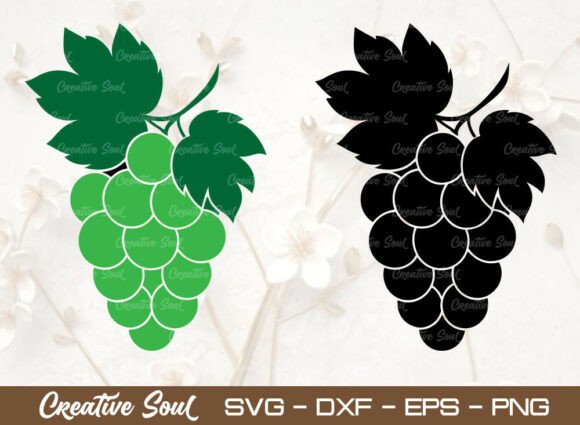
As a designer who spends more time staring at stitch simulations than I care to admit, I have learned that not every pretty graphic translates well to thread. We often browse marketplaces looking for that perfect digital embroidery file, drawn in by clean lines and trendy themes. Recently, I pulled up the Grapes Silhouette SVG Cut File, Fruit to evaluate its potential for actual production. This isn’t just about whether it looks good on a screen; it is about how it behaves under the needle, how it wears after washing, and whether it adds genuine value to a handmade product.
First Impressions: Mood and Visual Personality
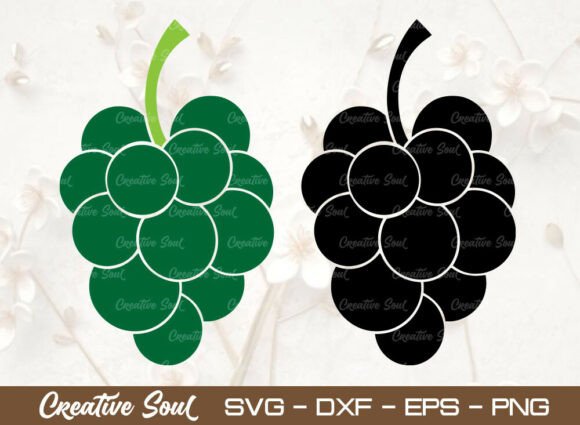
The first thing that strikes you about this design is its elegance. It avoids the cluttered, overly detailed look that plagues so many fruit-themed illustrations. Instead, it offers a refined silhouette that speaks directly to wine lovers, vineyard aesthetics, and rustic decor trends. For those of us creating design assets for small shops, this mood is crucial. It feels sophisticated rather than cartoonish, which immediately broadens its appeal beyond children’s items into adult home decor and apparel.
From a layout perspective, the grape vine illustration has a natural flow. The curves of the vines and the clustering of the grapes create a balanced composition that is pleasing to the eye. In the world of Illustrations and Graphics, balance is half the battle. When you are working with a silhouette style, you rely entirely on shape recognition. There is no internal detail to hide behind. If the proportions are off, the whole design fails. Fortunately, this piece maintains strong visual integrity, making it a reliable candidate for various embroidery projects.
Real-World Application: From Screen to Stitch
To truly test a design, I imagine it in specific scenarios. Let’s say I am preparing a custom order for a local boutique winery. They need branded merchandise that feels upscale but approachable. I envision using this grapes silhouette on a heavy canvas tote bag design. The bold nature of a silhouette works exceptionally well here because it can be scaled up without losing clarity. Using a dense fill stitch for the grapes and a slightly lighter density for the vines would create subtle textural contrast, adding depth to the finished product.
Another strong use case is sweatshirt embroidery. A left-chest placement of this design on a heather grey or navy crewneck creates a subtle, classy look. Because it is a silhouette, it reads clearly from a distance. This is vital for custom apparel where brand recognition or thematic clarity matters. I can also see this working beautifully as an embroidered patch. Patches require designs that hold their shape when cut away from the backing fabric, and the continuous lines of this vine structure seem robust enough to handle the die-cutting process without fraying excessively, provided the stitch density is managed correctly.
For Etsy sellers and craft business owners, versatility is key. This design could easily transition into holiday embroidery for autumn-themed decor or Thanksgiving gifts. Imagine it stitched onto a linen tea towel or a burlap pillow cover. The rustic vibe aligns perfectly with seasonal trends, making it a smart addition to a fall collection. However, when considering baby embroidery, I would hesitate slightly. While the theme is neutral, the silhouette style lacks the softness often preferred for nursery items unless paired with very pastel thread colors and soft fabrics.
Technical Considerations and Fabric Compatibility
While the aesthetic is strong, we must discuss the technical realities of stitching a silhouette. Silhouettes are essentially large areas of solid color. This means stitch density becomes your most critical variable. If the density is too high, you risk puckering lightweight fabrics or creating a stiff, cardboard-like feel on garments. If it is too low, the backing fabric might show through, ruining the clean look of the silhouette.
I recommend testing this design on scrap fabric before committing to a client project. Pay close attention to how it performs on textured fabrics. A waffle-knit towel or a rough linen might interfere with the crisp edges of the grape clusters. On smooth cotton or polyester blends, the results should be sharp and professional. When working on stretchy fabrics like jersey t-shirts, a proper stabilizer is non-negotiable. Without adequate support, the pull of the stitches will distort the grape shapes, turning elegant circles into ovals.
Curved surfaces present another challenge. If you plan to use this on caps or hats, remember that the hoop area is limited and the surface is uneven. The wider parts of the vine cluster might need to be broken up or resized to fit the front panel of a cap without wrapping around the sides. Always check the recommended hoop size against your machine’s capabilities. While the product description mentions it is ideal for crafting, it does not specify exact dimensions or stitch counts. Therefore, you must verify these details in the actual file metadata before purchasing or downloading.
Enhancing Product Value and Brand Consistency
Why choose this specific machine embroidery design over others? It comes down to perceived value. A well-executed silhouette looks intentional and designed, not just slapped on. For small shop product lines, consistency in style helps build brand identity. If your brand leans towards minimalist, rustic, or botanical themes, this grapes silhouette fits seamlessly. It enhances the professionalism of your personalized gift offerings because it looks cohesive with other high-end decor items.
Customer trust is built on quality. When a buyer receives a commercial embroidery item that is neatly stitched, with no loose threads or distorted shapes, they are more likely to return. This design, with its clear lines and recognizable subject matter, reduces the risk of user error during digitizing or stitching. It is forgiving enough for intermediate hobbyists yet polished enough for professional applique design adaptations if one chooses to layer fabrics instead of using solid fill stitches.
Practical Designer Notes for Best Results
Before you load this file into your machine, keep these practical tips in mind:
- Test on Scrap First: Always run a test stitch-out on the same type of fabric you intend to use for the final product. This allows you to adjust tension and density if needed.
- Check Thread Contrast: Silhouettes rely on contrast. Ensure your thread color stands out against the fabric. A dark green or deep purple thread on a light cream linen looks stunning, but a light grey on white might get lost.
- Inspect Small Details: Zoom in on the digital preview. Look for any tiny, isolated stitches that might cause thread breaks or nesting. Clean up any unnecessary jump stitches if you have editing software.
- Verify Licensing: If you plan to sell items made with this design, confirm the license terms. Most digital embroidery files allow for commercial use of finished physical items, but restrictions may apply to sharing the file itself.
- Mockup in Black and White: Convert your preview to grayscale. If the design loses its definition in black and white, it may lack the necessary contrast for clear visibility in certain lighting conditions.
In conclusion, the Grapes Silhouette SVG Cut File, Fruit is a versatile and aesthetically pleasing addition to any designer’s library. It bridges the gap between digital art and tactile craft with ease. By paying attention to stitch density, fabric choice, and proper stabilization, you can transform this simple graphic into a high-value embroidery file that elevates your products. Whether you are creating a unique printable mockup for your online store or stitching a real-life custom apparel piece, this design offers the clarity and charm needed to engage buyers and delight recipients.