Reviewing the Colorful Pinata Burst Sticker for Embroidery
As a designer who spends half my life staring at digitized files and the other half pulling bobbins out of tangled messes, I have learned to look past the glossy preview images. We all know that what looks crisp on a screen can sometimes turn into a puckered disaster on fabric. Recently, I pulled up the Colorful Pinata Burst Sticker to evaluate its potential for upcoming spring collections. This isn’t just another festive graphic; it is a test of how well a chaotic, multi-colored concept translates into thread.
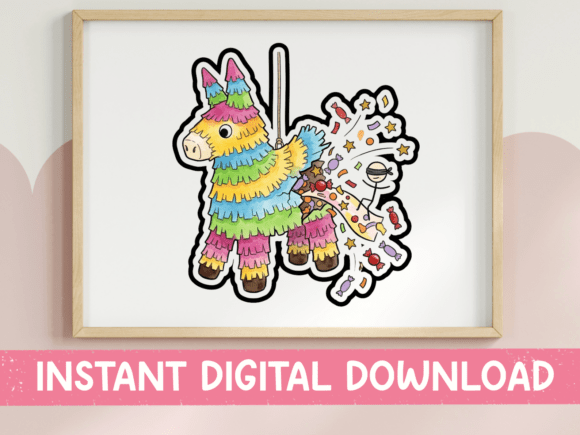
The first impression is undeniably cheerful. The design features a classic donkey pinata rendered in vibrant layers of yellow, green, teal, pink, and purple. It captures that specific energy of a Cinco de Mayo celebration or a lively birthday party. But for those of us running a craft business or selling on Etsy, cheerfulness doesn’t pay the bills—execution does. I needed to know if this machine embroidery design could hold its own on real garments without requiring hours of troubleshooting.
Visual Impact and Design Personality
The layout of the Colorful Pinata Burst Sticker is bold. It relies on high contrast between the rainbow segments to create depth. In terms of T-Shirt Designs, this kind of graphic usually screams for attention. However, in embroidery, we are dealing with texture and light reflection, not just flat color. The "sticker" aesthetic implies a defined border, which is crucial. A clean outline helps separate the busy internal details from the background fabric, ensuring the image doesn't bleed visually into the garment.
I appreciate that the design avoids overly microscopic details. When you zoom in on many digital assets, you find tiny elements that simply cannot be stitched reliably. This design seems to respect the limitations of the needle. The layers are distinct enough to allow for clear fill stitch work, while the edges likely benefit from a tight satin stitch or a dense running stitch border to keep the shape crisp. This balance is vital for maintaining professionalism in a finished product.
Real-World Application: The Tote Bag Test
To truly judge a design, you have to imagine it on a specific item. I envisioned this piece on a heavy canvas tote bag design. Canvas is forgiving; it has enough weight to support the stitch density of a colorful, layered graphic without warping. Imagine a customer buying this for a teacher’s gift or a party favor bag. The bright yellows and teals pop beautifully against natural beige or white cotton.
However, I also considered sweatshirt embroidery. Here, the texture changes. A fleece or French terry surface is plush. If the embroidery file is too dense, the fabric will bunch. If it is too loose, the underlying fabric might peek through the lighter thread colors like yellow or pastel pink. For a project like this, I would recommend using a cut-away stabilizer rather than tear-away. The stability ensures that the weight of the threads doesn't distort the garment over time, especially after washing.
Considerations for Small Hoops and Caps
Not every project has a large canvas. If you are planning to use this on a cap or a small embroidered patch, you need to be cautious. Curved surfaces like baseball caps introduce distortion. The wide stance of the pinata might need to be scaled down significantly to fit a standard front-panel hoop. When scaling down, watch the text or tiny decorative elements. If the design includes any micro-details, they may merge into a solid blob of thread. Always check the hoop size requirements before purchasing or committing to a client order.
For baby embroidery projects, such as a onesie or a burp cloth, softness is key. A dense, heavy design can feel scratchy against sensitive skin. In this case, I would suggest testing the back of the stitching. If there are excessive jump stitches or rough knots, a soft backing or a different digitizing approach might be necessary. Alternatively, this design might work better as an applique design for baby items, where fabric pieces replace some of the dense stitching, reducing bulk and increasing comfort.
Fabric and Thread Challenges
The color palette is the star of the Colorful Pinata Burst Sticker, but it is also its biggest logistical challenge. You are looking at five distinct main colors plus outlines. This means frequent thread changes. For a commercial embroidery shop running dozens of units, this increases production time. For a home hobbyist, it requires patience and precise tension adjustments. Each time the machine stops to change from teal to pink, there is a risk of slight misalignment if the fabric shifts.
Dark fabrics present another hurdle. If you stitch this on a navy or black shirt, the lighter colors like yellow and light green may not cover the background fabric completely. You might see the dark fabric peeking through, which ruins the vibrancy. In these cases, using an underlay stitch in white or a matching light color can help bridge the gap. Always test your thread colors against your specific fabric batch. What looks good on one brand of polyester might look dull on another.
Commercial Viability and Branding
For Etsy sellers and small shop owners, this design fits squarely into the seasonal gift market. It works for holiday embroidery themes, particularly around May, but also for general birthday celebrations year-round. The playful nature of the pinata makes it a strong candidate for personalized gift additions. Imagine adding a name below the pinata in a complementary font. The key is ensuring the added text doesn't clutter the composition.
From a branding perspective, using high-quality design assets like this builds trust. Customers can tell when a design is sloppy. Clean edges, consistent saturation, and proper registration show that you care about quality. This leads to repeat buyers and positive reviews. When you list this as a custom apparel option, use high-resolution printable mockup images that show the texture of the thread. This manages customer expectations and highlights the tactile value of embroidery over printed graphics.
Practical Designer Notes
Before you load this digital embroidery file into your machine, take a few minutes to prepare. Here is my checklist for ensuring success:
- Test on Scrap Fabric: Never stitch directly on your final garment. Use a scrap piece of the exact same material to check tension and density.
- Check Contrast: Lay your thread spools next to the fabric. Ensure the yellow and teal stand out clearly against the background.
- Inspect Small Details: Zoom in on the preview. Are there any areas that look too thin? These might break during washing.
- Stabilizer Selection: Match your stabilizer to your fabric. Knits need cut-away; wovens can often use tear-away.
- Licensing Verification: Confirm the license terms. Can you sell the finished product? Are there restrictions on quantity? Always respect intellectual property rights.
- Black and White Test: Print or view the design in grayscale. This helps you see if the values are distinct enough without relying on color contrast.
In conclusion, the Colorful Pinata Burst Sticker is a vibrant, energetic addition to any designer’s library. It requires thoughtful execution regarding fabric choice and stabilization, but the payoff is a joyful, eye-catching piece that customers love. Whether you are making a single personalized gift or stocking your small shop product line, this design offers plenty of creative potential if handled with professional care.